
Choosing between Amazon Alexa and Google Home is one of the first decisions you make when building a smart home — and it matters more than people realize. Once you're 10 devices deep in one ecosystem, switching gets expensive. Both platforms have matured significantly, but they have genuinely different strengths. The right choice depends on how you use your home, your phone, and what devices you already own.
Here's a complete breakdown of where each ecosystem wins in 2026.
Smart Speakers: Echo vs Nest Audio
Amazon's Echo (4th Gen) at $99 and Google's Nest Audio at $99 are the flagship mid-range speakers for each platform. Both sound significantly better than entry-level devices, but they have different sound signatures. The Echo 4th Gen leans toward a warmer, bass-forward sound — good for pop, hip-hop, and podcasts. The Nest Audio has a more balanced, wider soundstage that audio enthusiasts tend to prefer for classical, jazz, and acoustic music.
For voice accuracy — the core function — both have improved dramatically. Google's voice recognition is still generally considered more accurate for natural language queries and follow-up questions. Alexa is faster at home automation commands and better integrated with Amazon's shopping ecosystem.
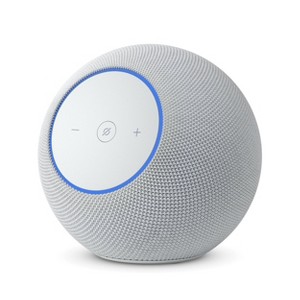
Amazon Pick
Amazon Echo (4th Gen)
Alexa built-in · Spherical design · Zigbee hub · Works with Ring & Alexa Guard
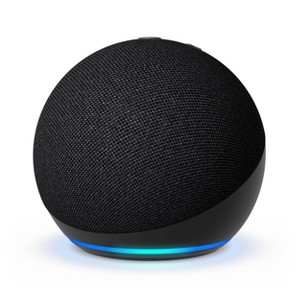
💰 Best Budget Entry Point (Alexa)
Amazon Echo Dot (5th Gen)
Compact spherical design · Alexa built-in · Temperature sensor · Works with Ring & Zigbee devices
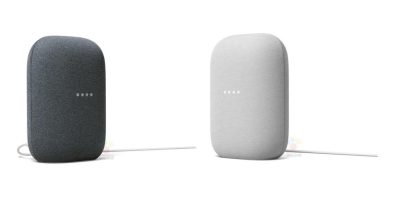
Google Pick
Google Nest Audio
Google Assistant · 75% more bass than Mini · Far-field mics · Multi-room audio
Smart Displays: Echo Show vs Nest Hub
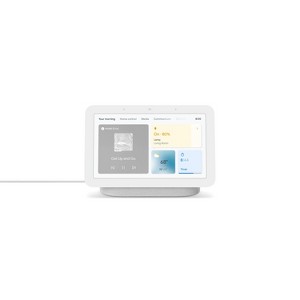
Smart displays are where the ecosystems diverge most visibly. Amazon's Echo Show 8 runs $149 and includes a built-in camera for video calls — you can do Zoom, Alexa video calls, and Drop In to other Echo devices. Google's Nest Hub (2nd Gen) at $99 famously has no camera, prioritizing privacy, but does have sleep tracking via radar sensor. If video calls on a kitchen display matter to you, Alexa wins. If you want a privacy-first bedside display with sleep tracking, Nest Hub is better.
The Echo Show's interface is more cluttered with Amazon ads and shopping prompts. The Nest Hub has a cleaner Google Photos integration and feels less commercial day-to-day.
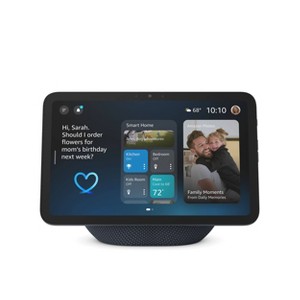
📺 Best Smart Display (Alexa)
Amazon Echo Show 8 (3rd Gen)
8" HD display · Built-in camera · Video calls · Alexa · Drop In · Smart home hub
🌙 Best Smart Display (Google)
Google Nest Hub (2nd Gen)
7" display · No camera · Sleep tracking via radar · Google Photos · Google Assistant
Device Compatibility
This is historically Alexa's biggest advantage — and it still holds in 2026. With over 140,000 compatible smart home devices, Alexa works with virtually everything. Nest has expanded significantly with Matter support, but if you're buying a random smart plug or light switch and wondering if it'll work, Alexa is the safer bet. Both platforms now support Matter, the cross-platform standard that increasingly lets devices work with either ecosystem, which is gradually shrinking this gap.
Alexa-exclusive advantages: Ring doorbells and cameras integrate seamlessly and show live feeds on Echo Show devices. Amazon Smart Plug and other Alexa-branded devices add no-configuration automation. Alexa Routines are more powerful and customizable than Google Routines for complex automation.
Google-exclusive advantages: Nest Thermostat, Nest Protect smoke alarm, and Nest cameras are all native. Google's AI integration (Gemini) is now embedded in Assistant, making natural language smart home control noticeably smarter. Android phone integration is tighter — your Pixel or Galaxy works more naturally with Google Home.
Music and Streaming
Both platforms support Spotify, Apple Music, Amazon Music, YouTube Music, and most major services. The difference is in the defaults. Alexa defaults to Amazon Music (great if you have Prime) and has seamless integration with Audible for audiobooks. Google defaults to YouTube Music and YouTube, which is better if you have YouTube Premium. Neither has a meaningful advantage here — pick the ecosystem that matches your existing subscriptions.
Privacy
Both Amazon and Google have had their share of privacy controversies. Both devices use local wake word detection and only send audio to the cloud after hearing the wake word. Google has made stronger privacy commitments in recent years, including auto-deletion of voice history. Amazon has expanded Alexa's local processing so more commands run on-device without cloud upload. Neither is perfectly private — if this is a primary concern, Home Assistant on local hardware is the only real answer.
Head-to-Head Comparison
| Category | Amazon Alexa | Google Home |
|---|---|---|
| Voice Accuracy | Very good | Excellent |
| Device Compatibility | 140,000+ devices | Growing fast (Matter) |
| Smart Display | Echo Show (camera) | Nest Hub (no camera) |
| Amazon Shopping | Native | Not integrated |
| Android Integration | Good | Excellent |
| AI / Smart Queries | Good | Gemini-powered |
| Ring Camera Integration | Native | Limited |
| Nest Thermostat | Works | Native |
| Routines / Automation | More powerful | Good but simpler |
| Privacy Controls | Good | Slightly better |
| Speaker Sound Quality | Good (bass-forward) | Balanced, wider |
Choose Alexa if you…
- Already use Amazon Prime and Amazon Music
- Have or want Ring cameras and doorbells
- Want the widest device compatibility
- Use Echo Show for video calls in the kitchen
- Want powerful smart home automation routines
Choose Google Home if you…
- Use Android and the Google ecosystem heavily
- Have a Nest Thermostat or Nest cameras
- Want better natural language voice queries
- Prefer a less commercial, cleaner interface
- Have YouTube Premium instead of Amazon Music
✓ Our Verdict
For Most People: Alexa Is the Safer Starting Point
Alexa's device compatibility advantage is still real and matters when you're building a smart home from scratch. It's less likely that a random smart device won't work with Alexa than it is with Google Home. That said, if you're already deep in the Google ecosystem — Android phone, Google One, YouTube Premium, Nest Thermostat — Google Home will feel more natural and the AI improvements are genuinely impressive. Both are good. Neither is a wrong answer. Just don't mix them.
See our top-rated smart home devices on the Smart Home page.

